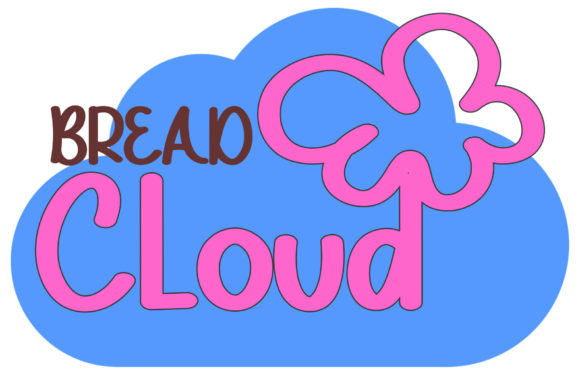
Cloud Bread: A Handwritten Font for Editorial Design and Digital Publishing
Introducing Cloud Bread – A Friendly Script Font for Modern Editorial Work
As a content creator, finding the right font that balances personality with readability can be a challenge. Cloud Bread, a cool and friendly handwritten font, offers a unique solution for bloggers, publishers, and editorial designers. Its soft, approachable style makes it ideal for use in digital and print media where warmth and clarity are essential. Whether you're designing a blog header, a magazine cover, or an ebook title, Cloud Bread brings a human touch to your typographic choices without sacrificing legibility or design integrity.
Visual Characteristics and Editorial Appeal
Cloud Bread features smooth, flowing letterforms with a gentle bounce that suggests informality and creativity. Unlike rigid or overly stylized script fonts, this typeface maintains a consistent rhythm and open spacing, making it easy to read even at moderate sizes. It’s part of the Script Amp category, which includes fonts designed to be expressive yet editorially functional. The font’s rounded edges and subtle texture give it a modern yet timeless quality, perfect for projects that aim to feel both polished and personable.
Its personality shines in contexts where a sense of warmth or whimsy enhances the reader experience—think lifestyle blogs, parenting newsletters, or creative workbooks. It’s especially effective when used for short bursts of text like titles, pull quotes, and chapter openers, where its visual charm can be fully appreciated without overwhelming the reader.
How Cloud Bread Enhances Editorial Layouts
In editorial design, hierarchy and visual flow are critical. Cloud Bread excels as a display font that draws attention without disrupting the reading experience. Here are some practical ways to incorporate it into your publishing toolkit:
- Blog headers and post titles – Use Cloud Bread to create memorable, visually engaging headlines that stand out in a feed or on social media thumbnails.
- Ebook covers and chapter openers – Its soft, handwritten style adds a personal touch to book covers and introductory pages, especially for memoirs, guides, or creative nonfiction.
- Quote graphics and social media visuals – The font’s flowing lines and character spacing make it ideal for pull quotes and inspirational snippets that appear on Instagram stories or Pinterest pins.
- Newsletter headers and lead-ins – Give your email campaigns a more personable tone by using Cloud Bread in subject lines or greeting headers.
- Printable guides and worksheets – Whether it’s a planner, a recipe guide, or a coaching workbook, Cloud Bread helps establish a friendly, approachable brand voice.
Choosing the Right Use Case for Cloud Bread
While Cloud Bread is versatile, it’s best suited for short-form, attention-grabbing applications rather than long blocks of body text. Its handwritten nature makes it ideal for:
- Title treatments
- Subheadings with visual flair
- Pull quotes and highlight text
- Section dividers and accent typography
- Logo design or brand taglines
For body copy, it’s best paired with a clean serif or sans serif font that provides contrast and ensures readability. For example, pairing Cloud Bread with a serif font like Georgia or a modern sans like Lato creates a balanced typographic hierarchy that supports both visual interest and content clarity.
Readability Across Platforms and Formats
One of the most important considerations when selecting a font for digital publishing is how it renders across devices and formats. Cloud Bread holds up well in web design, PDF exports, and mobile layouts due to its clean lines and open spacing. When used at appropriate sizes and weights, it remains legible on screens and in print, especially when paired with complementary fonts for body text.
For printables like planners or guides, the font’s light texture and soft curves add a tactile quality that enhances the reader’s experience. It’s also a strong choice for packaging design or branded merchandise, where a handwritten aesthetic can reinforce a brand’s approachable tone.
Font Features and Stylistic Flexibility
Cloud Bread includes a variety of alternate characters, ligatures, and stylistic sets that allow for customization depending on the project’s tone. Designers can adjust the font’s appearance to suit more casual or slightly more formal contexts, making it adaptable across different editorial applications. It also supports multilingual characters, which is especially valuable for creators producing content in multiple languages or for international audiences.
When working with this font, be sure to explore the available weights and styles. Some variations may offer a more delicate appearance, while others provide a stronger presence for cover text or logo use.
Commercial Licensing and Practical Considerations
For bloggers, course creators, and independent publishers, licensing is a key consideration. Cloud Bread is typically available with a commercial license, allowing it to be used in ebooks, templates, printables, paid newsletters, client work, and digital downloads. Always verify the specific licensing terms to ensure compliance, especially when embedding the font in PDFs or web fonts for client-facing projects.
Final Thoughts on Using Cloud Bread in Editorial Design
Cloud Bread is more than just a decorative script font—it’s a practical tool for building brand identity, guiding visual hierarchy, and enhancing reader engagement. Whether you’re designing a digital magazine, a quote-based social media post, or a downloadable guide, this font adds a human touch that resonates with modern audiences. As part of a broader typographic system that includes serif fonts, sans serif fonts, and other design assets, Cloud Bread helps create a cohesive and inviting editorial experience.