Designer Vintage: A Handwritten Font That Brings Warmth to Every Handmade Product
Bringing Labels to Life with Designer Vintage
It was a rainy afternoon, and I was knee-deep in label design for my new line of soy candles. I had the layout, the color palette, and the product names ready—but something was missing. The font just didn’t feel right. That’s when I downloaded Designer Vintage, a clean, casual, and friendly handwritten font I had seen in a fellow maker’s Instagram story. Within minutes, my candle labels transformed from generic to charmingly personal.
What Makes Designer Vintage Stand Out
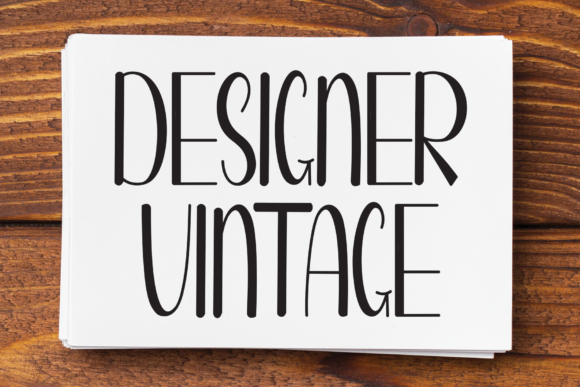
Designer Vintage is part of the Script Amp font family, designed with a soft, approachable feel that makes it perfect for crafters and small business owners. It’s not overly ornate, but it carries a distinct personality that adds warmth and authenticity to any design. The font has a natural flow, with slight variations in stroke weight and gentle curves that mimic real handwriting—without looking messy or unprofessional.
Each letter feels intentional, crafted with care to ensure it works beautifully in both digital and printed formats. Whether you’re creating a wedding invitation or a label for handmade soap, Designer Vintage adds a touch of elegance and familiarity that customers instantly connect with.
From Candle Labels to Wedding Invitations: Real Uses for Designer Vintage
I’ve used Designer Vintage across a variety of product types. One of my favorite applications is on candle labels. The font’s soft curves pair well with natural imagery like lavender sprigs or minimalist line art, creating a label that feels both artisanal and modern. I’ve also used it for greeting cards and boutique tags, where legibility and charm are equally important.
For a recent wedding invitation suite, I combined Designer Vintage with a clean sans serif font to create a balanced, elegant look. The bride loved how the font gave the invitations a personal, handwritten feel without being too whimsical. It’s also become a go-to for seasonal products—think holiday tags, Easter cards, and autumn-themed wall art prints. The font works equally well on digital downloads and physical products, making it a versatile addition to any maker’s toolkit.
Why Designer Vintage Works for Product Presentation
Typography plays a bigger role in product perception than many makers realize. A well-chosen font can elevate your packaging, improve brand recognition, and even influence purchasing decisions. When I switched to Designer Vintage for my product tags, I noticed more customers pausing to read the details. The font’s friendly yet polished appearance gave my brand a more cohesive and professional look.
It also helps with emotional appeal. Customers don’t just buy products—they buy feelings. A handwritten font like Designer Vintage evokes warmth, trust, and authenticity, which is especially important for handmade sellers and small shops. Whether it’s on a thank-you card or a tote bag tag, this font helps your audience feel more connected to your brand.
Best Uses for Designer Vintage
While Designer Vintage is incredibly versatile, it’s best suited for short phrases, titles, names, and decorative text rather than long blocks of copy. It shines in display use—perfect for product packaging, greeting card fronts, and signage. I’ve even used it for digital template previews on Etsy, where the font’s clean lines and friendly character help customers envision the final product.
For physical products like stickers and labels, I recommend using it at a slightly larger size to maintain readability, especially if you’re working with cutting machines like a Cricut or Silhouette. On printed cards or mockups, always preview the font in the final size and format to ensure clarity and visual impact.
Font Pairing Tips for a Polished Look
One of the joys of using Designer Vintage is how easily it pairs with other fonts. For a clean, modern look, I often combine it with a simple sans serif like Montserrat or Lato. If I’m going for a more rustic or vintage feel, I’ll pair it with a serif font like Playfair Display or a second handwritten font for contrast.
When designing product packaging or digital templates, I like to use Designer Vintage for the product name or tagline and a bolder sans serif for supporting text. This creates a visual hierarchy that guides the eye and makes your design more engaging.
Checking Font Features Before You Sell
Before using Designer Vintage in your commercial projects, always check the font’s licensing to ensure it’s approved for physical and digital product creation. I’ve learned the hard way that not all fonts are created equal when it comes to commercial use. The good news is that Designer Vintage typically includes commercial licensing, making it safe to use in your shop branding, product labels, digital downloads, and SVG-style designs.
Also, be sure to explore the font’s full feature set. Many premium fonts like this one include alternates, ligatures, swashes, and multiple weights. These details can help you customize your designs and make your products stand out. If you’re creating multilingual products, check for extended character support to ensure the font works across different languages.
Final Thoughts
Designer Vintage isn’t just another font—it’s a creative tool that brings personality and professionalism to every handmade product. Whether you’re designing candle labels, printable wall art, wedding stationery, or boutique packaging, this font adds a touch of warmth and authenticity that customers respond to. As a maker, I’ve found it to be a reliable and stylish choice that enhances both digital and printed designs.
If you’re looking to refresh your shop’s typography or give your product packaging a more personal feel, Designer Vintage is definitely worth a try. Pair it with clean design elements, test it across different product formats, and enjoy the way it brings your creative vision to life.