How Baby Dog Font Transformed My Small Business Branding
When I opened my little candle shop last year, I knew the product was good, but I also knew that standing out meant more than just scent and wax. Customers were drawn in by the packaging, the labels, the handwritten-style tags—but something still felt off. The typography didn’t quite match the soft, cozy feeling I wanted to convey. That’s when I discovered Baby Dog, a sweet, romantic script font that quietly changed everything.
More Than Just a Pretty Typeface
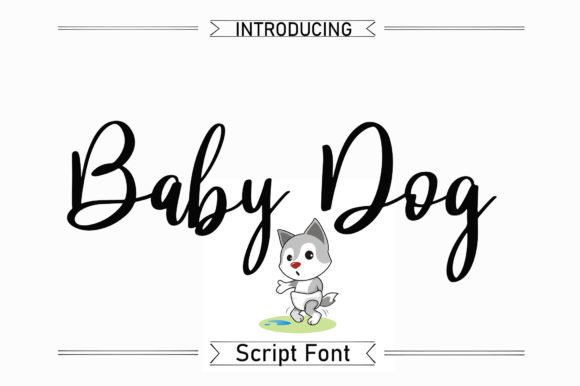
Baby Dog isn’t just a font—it’s a mood. It’s soft, elegant curves bring a delicate charm to any design. As a small business owner, I needed something that felt personal but still professional. This font is PUA encoded, which means every glyph, swirl, and decorative element is easy to access. No tech headaches, just beautiful design.
From the moment I applied Baby Dog to my candle jar labels, I noticed a difference. The handwriting style gave off a handmade, boutique feel, even though my production process is small-batch, not fully artisanal. It helped me build a brand that felt intentional and cohesive.
Where Baby Dog Fits Into Real Business Design
I started with candle labels, but Baby Dog quickly became a go-to for more than that. Here’s how I’ve used it across my brand:
- Product labels – Perfect for short phrases and brand names
- Thank-you cards – Adds a warm, personal touch customers love
- Social media posts – Works beautifully in Instagram stories and Reels
- Website banners – Ideal for headlines and promotional graphics
- Packaging inserts – Makes unboxing feel special
If you're running a bakery, a skincare brand, or a boutique, Baby Dog works especially well in any space where you want to communicate elegance and approachability.
Typography Builds First Impressions
Before I found Baby Dog, I used a generic script font that looked okay but didn’t really stand out. Typography is one of the first things people notice—even if they don’t realize it. A good font can make your brand feel trustworthy, polished, and memorable. Baby Dog helped me build that consistency across every customer touchpoint.
For example, I use it in my logo, on my packaging, and in my email newsletters. That visual repetition makes my brand instantly recognizable, even in a crowded market. It’s not just about looking good—it’s about building a brand identity that customers can connect with.
Best Used for Short, Impactful Text
Baby Dog shines in headlines, logos, and short phrases. Because it’s a script font, it’s best used where you want to draw attention—not for long paragraphs or body text. Think of it as the jewelry of your brand’s design: something that accents and elevates the overall look.
When I first tried using Baby Dog for longer descriptions on my product tags, it was a bit hard to read. I quickly adjusted and now use it only for titles and names, pairing it with a clean sans serif for the rest. That balance makes the design feel both elegant and easy to understand.
Font Pairing Made Simple
One of the best things about Baby Dog is how easy it is to pair with other fonts. Since it’s so decorative on its own, I keep things simple by combining it with a clean sans serif like Montserrat or Lato for supporting text. If I’m going for a more vintage look, I’ll pair it with a soft serif font.
This kind of pairing helps maintain visual hierarchy. Baby Dog draws the eye, while the secondary font keeps the message clear and readable. Whether I’m designing a new candle label or a seasonal flyer, this combo works every time.
Design Tips for Small Business Owners
If you're thinking about using Baby Dog in your branding, here are a few practical tips I’ve learned along the way:
- Test it at small sizes – Especially for packaging and stickers
- Check mobile readability – Make sure it looks good on social media thumbnails
- Use it for accents – It works best in short bursts, not long blocks
- Look at all the alternates – Many script fonts come with ligatures and swashes that add character
- Verify commercial use – Always double-check the licensing before using in products or client work
Also, be sure to check the file formats included—Baby Dog supports OpenType features, which gives me more flexibility in design tools like Canva and Adobe Illustrator.
Why I Chose Baby Dog Over Other Script Fonts
I tried a few other script fonts before landing on Baby Dog. Some looked too formal, others too casual. This one struck the perfect balance—romantic, but not overly dramatic. It felt like a natural extension of my brand’s personality. Plus, with PUA encoding, I could easily access all the swashes and alternate characters without any extra steps.
Whether I’m designing a new menu for a local café pop-up or updating my product packaging, Baby Dog has become a staple in my design toolkit. It’s a small detail that makes a big difference.
Final Thoughts
Choosing Baby Dog wasn’t a flashy decision, but it was a smart one. It helped me build a more consistent, professional, and memorable brand without breaking the bank or complicating my workflow. For small business owners who want to elevate their visuals without diving deep into typography theory, Baby Dog is a quiet but powerful ally.